




Which Gymnastics Mat Should You Buy? A Complete Guide to Folding Mats vs Crash Mats
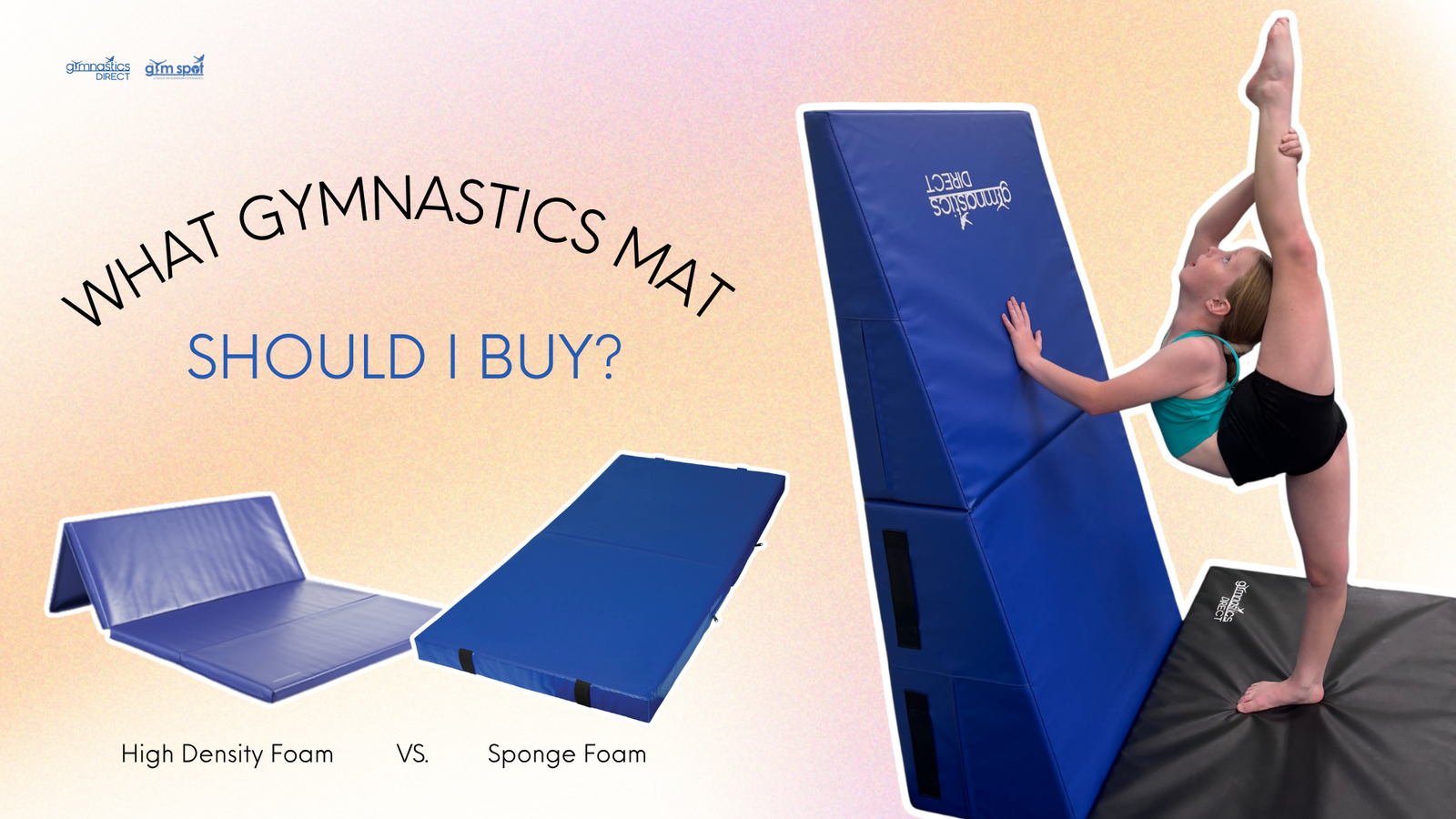

If you're setting up a home gymnastics space, one of the first questions you'll probably ask is:
Which gymnastics mat do I actually need?
With folding mats, crash mats, incline mats and different thicknesses available, it's easy to feel overwhelmed. Choosing the right mat isn't just about comfort, it plays an important role in both skill development and safety.
In this guide, we'll explain the differences between folding mats and crash mats, when each should be used, and help you choose the best gymnastics mat for your child's age, skill level and training goals.
| If you need... | Recommended Mat |
|---|---|
| Cartwheels, rolls, handstands and general floor practice | Folding Gymnastics Mat |
| Safe landings from bars or beams | Crash Mat |
| Learning back walkovers or back handsprings | Incline (Wedge) Mat |
| A complete home training setup | Folding Mat + Crash Mat |
What's the Difference Between a Folding Mat and a Crash Mat?
Although both are gymnastics mats, they're designed for completely different purposes.
Folding Gymnastics Mats
Folding mats provide a firm, supportive surface that allows gymnasts to practise skills safely while maintaining correct technique. Because they don't compress significantly under body weight, they closely replicate the feel of the floor used in gymnastics clubs.
They're ideal for:
- Cartwheels
- Handstands
- Forward and backward rolls
- Round-offs
- Stretching and conditioning
- General floor skill practice
For most families, a folding mat is the first piece of equipment they'll purchase because it's suitable for a wide range of skills and folds away for easy storage.
Shop our Folding Gymnastics Mats →
Crash Mats
Crash mats are much softer and are designed to absorb impact.
Rather than providing a stable training surface, their purpose is to protect gymnasts during falls and landings.
Crash mats are best used for:
- Bar dismounts
- Beam dismounts
- Learning new skills
- Higher-impact landings
- Advanced gymnastics training
It's important to remember that crash mats are a safety tool, not a replacement for a training mat.
Which Gymnastics Mat Is Best for Skill Development?
For everyday practice, a folding gymnastics mat is the better choice.
Because the surface is firm and stable, gymnasts receive accurate feedback about their balance, body position and technique. This helps build consistent movement patterns that transfer directly to training at the gym.
Practicing exclusively on a very soft mat can make skills feel easier than they actually are, which may affect confidence and technique when returning to a standard gymnastics floor.
For this reason, folding mats are generally recommended for daily skill development.
Recommended Products
When Should You Use a Crash Mat?
Crash mats become essential whenever there's an increased risk of falling or landing from height.
They should always be used for:
- Gymnastics bars
- Balance beam dismounts
- Learning new aerial skills
- More advanced tumbling
- High-impact landings
A crash mat provides confidence while reducing the impact placed on joints and helping create a safer training environment.
Recommended Products
Gymnastics Mat Thickness Guide
Choosing the right thickness is just as important as choosing the right type of mat.
| Mat Type | Thickness | Best For |
|---|---|---|
| Folding Mat | 4–5cm | Floor skills, stretching, handstands, rolls |
| Folding Crash Mat | 10cm | Bar and beam landings, recreational gymnastics |
| Thick Crash Mat | 20cm | Advanced gymnastics, higher bars, competitive training |
If you're unsure which thickness is suitable, it's always worth speaking with your child's coach before purchasing.
Which Gymnastics Mat Should You Buy?
Beginners (Ages 3–6)
Young gymnasts generally spend their time learning:
- Forward rolls
- Balancing
- Cartwheels
- Basic movement patterns
A 4–5cm folding mat provides plenty of support for these early skills.
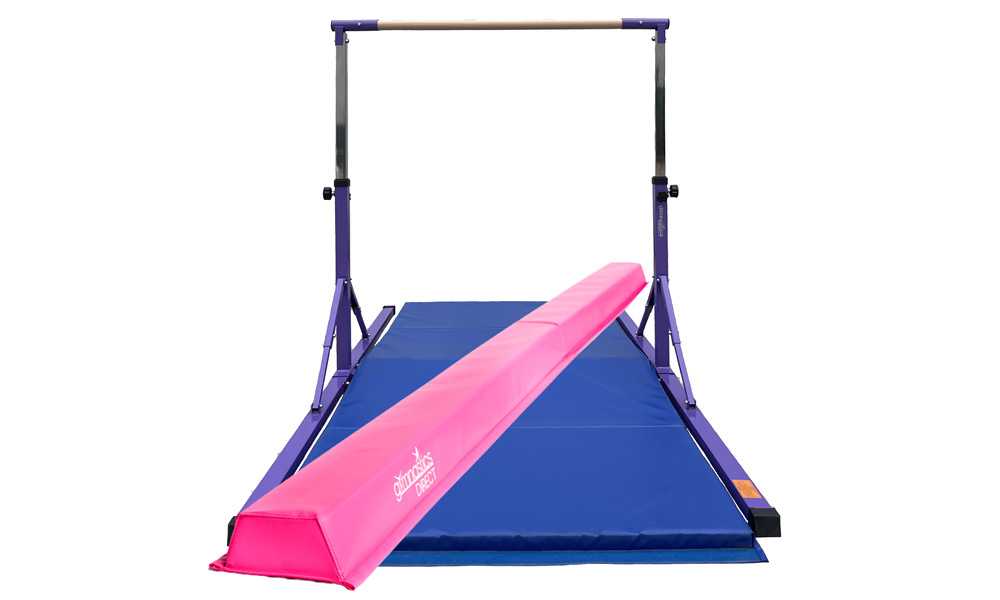
If your child is also practising on a gymnastics bar at home, we recommend pairing it with a crash mat for safer landings. Gymnastics Direct's bar and mat combo bundles are specifically designed to pair the right mat type and size with each bar so you don't have to guess!
Intermediate Gymnasts (Ages 7–12)
As skills become more advanced, most gymnasts benefit from having multiple training mats.
A typical home setup might include:
- Folding mat for floor skills
- Incline mat for back walkovers and back handsprings
- Crash mat underneath bars and beams
This combination allows gymnasts to develop technique while maintaining a safe training environment.
A typical home setup might include:
Advanced Gymnasts
Competitive gymnasts often require equipment that closely replicates their training environment at the club.
A quality setup typically includes:
- Folding gymnastics mat
- 20cm crash mat
- Incline mat
- Air Track (depending on training goals)
Using the correct combination helps support both skill progression and injury prevention.
Do You Need Both a Folding Mat and a Crash Mat?
In most cases, yes.
These mats serve completely different purposes.
A folding mat provides the firm surface needed for practising skills, while a crash mat protects gymnasts when learning new skills or landing from equipment.
If you're setting up a home gymnastics area, owning both creates the safest and most versatile training environment.
Recommended Products
For most home gymnasts, we recommend starting with:
These products work together to create a safe and practical home training space that can grow with your child's skill level.
Final Thoughts
The best gymnastics mat isn't simply the softest or the firmest—it's the one that's designed for the skills your child is practising.
A folding gymnastics mat is ideal for developing technique and everyday training, while a crash mat provides essential protection for landings and higher-impact skills. Together, they create a safer, more effective home gymnastics setup.
|
Not sure which combination is right for your gymnast? The Gymnastics Direct team is happy to help you work it out. Call us on 0409 688 721 or use the Request a Quote form at gymnasticsdirect.com.au we can put together a recommendation based on your child's age, level, and the space you have available. |
Leave a comment
Also in Tips and Tricks


How to Choose an Air Track: A Guide for Home and Club Training
Whether you are choosing an air track for home practice, a gymnastics club, a school or a studio, this guide explains the main factors to consider before purchasing.
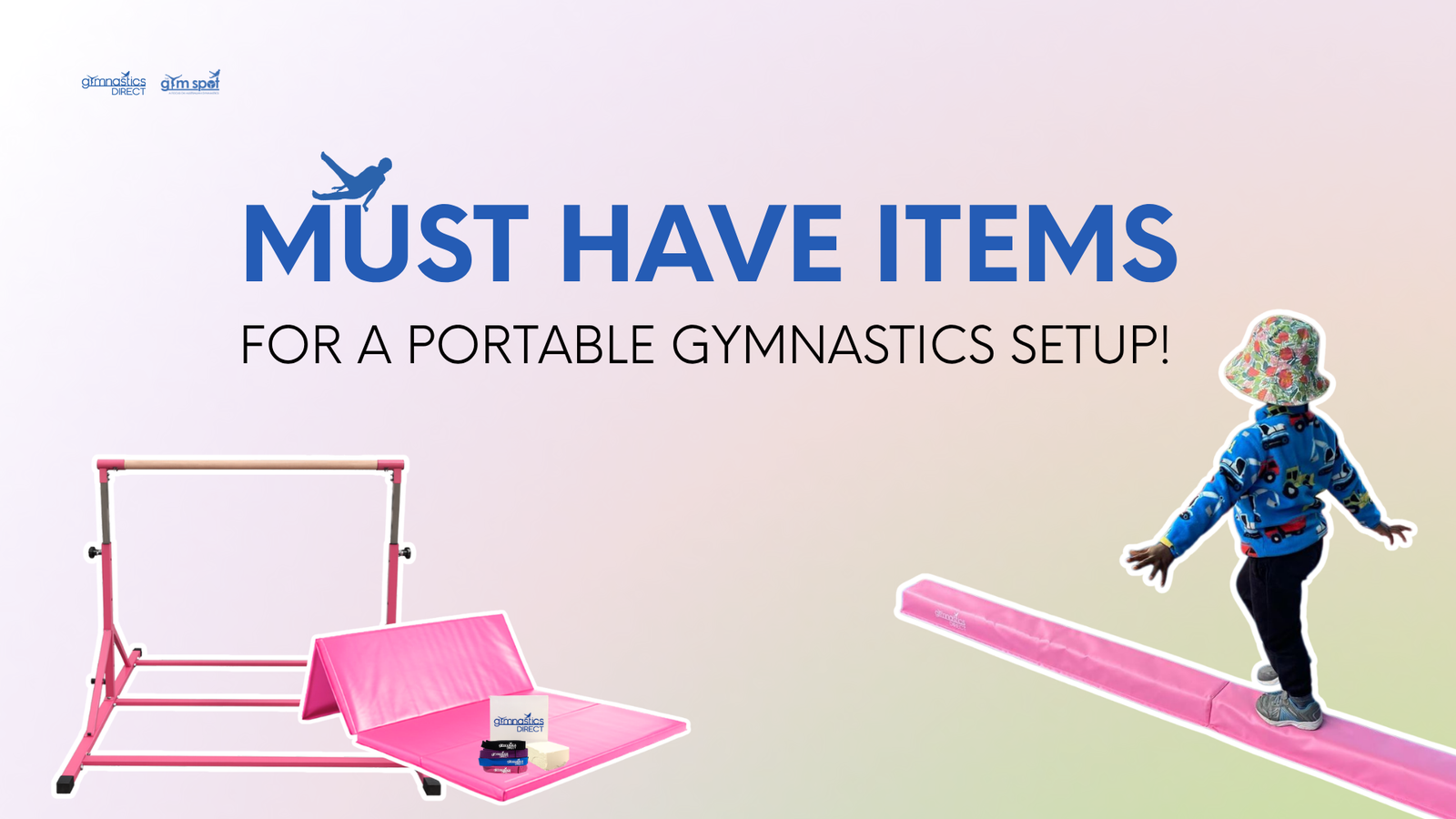

Top 5 Must-Have Items for a Portable Gymnastics Setup
Setting up a space for gymnastics practice at home is easier than most people expect, and you don't need a full gym to do it safely or effectively. Here's our guide to the five must-have items for a portable setup

Beginner Gymnastics Floor Drills
Learn essential gymnastics floor drills for beginners. Improve cartwheels, roundoffs, and handsprings with safe, easy-to-follow progressions.