




Gymnastics Accessories & Gifts for Every Gymnast


20% off
Chalk Ball
$8.00
$10.00


25% off
Palm Guard
$14.95
$19.95


up to
25% off
Liquid Chalk
from
$9.00
$12.00


up to
35% off
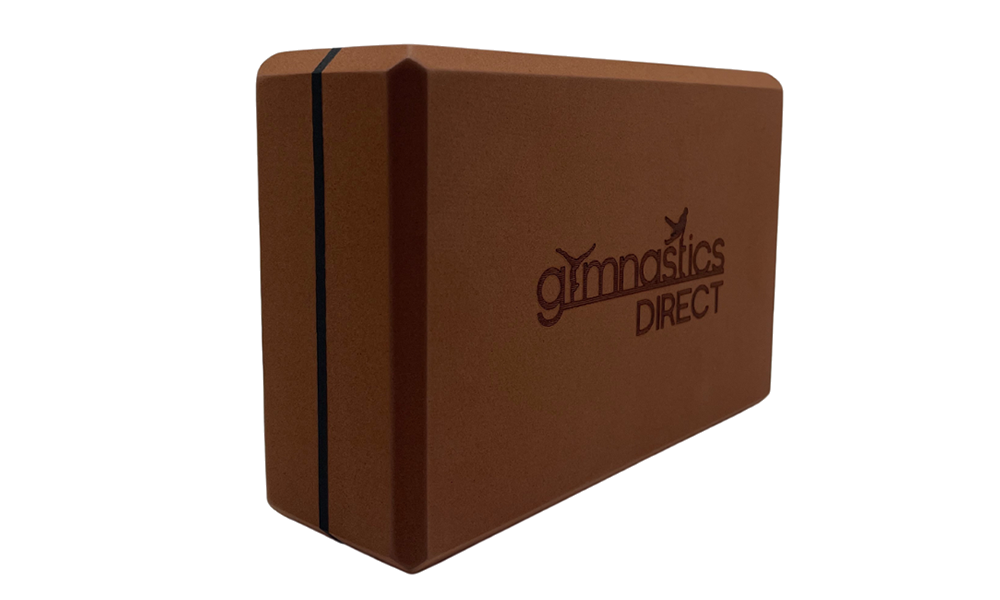
Yoga Block
from
$12.95
$19.95


16% off
Chalk Carry Bag
$24.95
$29.95


37% off
Chalk Block
$5.00
$8.00


Essential Gymnastics Accessories Every Gymnast Needs
Somewhere between a first cartwheel and a first competition, every gymnast starts to need more than a leotard. Hands slip on the bar, wrists are under strain on a vault and flexibility homework stalls without the right tools at home. Good gymnastics accessories in Australia help solve these problems before they turn into rips, sore joints or bad habits.
The products above cover four core areas: chalk for grip, palm and hand protection for bar work, wrist support for impact skills and straps and blocks for strength and flexibility. They are the same training accessories we supply to clubs around Australia, priced and sized for home gymnasts as well. If you are shopping for gymnastics gifts rather than your own kit, there is also a full gift guide below.
Chalk, Grips and Wrist Support: What's the Difference?
Chalk comes in three formats, and each suits a different training setup. Liquid chalk rubs on like hand sanitiser, dries in seconds and leaves almost no dust, which makes it popular in gyms with strict mess rules. A traditional chalk block is crushed into powder, gives a thicker coating and is the cheapest way to chalk up. A refillable chalk ball sits in the middle, releasing a light, even layer without the clouds a block can produce. Whichever you choose, a 100 g chalk refill keeps it topped up.
Hand and wrist protection follows a ladder from simple to serious. A palm guard is a thin protective layer that guards against skin damage during bar work, and it is usually the first piece of protection a young gymnast wears. Dowel grips add a wooden dowel that helps the hand hold the bar through swings and release skills. The buckle strap version locks in for long bar sessions, while Velcro strap grips are quicker to adjust between rotations. Wrist guards do a different job altogether. The Elite Gymnast Wrist Guard supports the joint through vault, tumbling and front support work, where repeated impact loads the wrist rather than the skin of the palm. A simple pair of terry towelling wristbands underneath keeps sweat off grips and stops guards from chafing.
How to Choose the Right Gymnastics Accessories for Your Level
Match the gear to the gymnast, not the other way around. A recreational gymnast training once or twice a week needs surprisingly little: a chalk ball, a palm guard and a stretch strap for flexibility training will cover most of it. A yoga block is a cheap add-on that supports bridge, splits and handstand drills at home.
Once a gymnast moves into a squad or a levels program, training hours jump and hands and wrists feel it first. That is the stage to step up to dowel grips and proper wrist guards. Bar loops help younger squad gymnasts hold long hang positions while their grip strength catches up, acro balance blocks build controlled handstand strength and gymnastics rings suit gymnasts working towards ring skills as well as anyone chasing upper-body strength. You will find more of this kind of equipment in our training aids range.
For a competitive or elite gymnast, buy the gymnastics accessories their coach recommends and follow the sizing charts exactly, because a poorly fitted grip at that level is a safety issue rather than a comfort issue. If you are not sure where a gymnast sits, check the product dimensions and size chart, or check in with their coach.
Gymnastics Gift Ideas for Training and Competition
Gymnastics gifts are easier than most sports presents because gymnasts wear through their gear. Chalk runs out, wristbands stretch and drink bottles disappear into the lost property bin at every club. Practical items make reliable birthday, Christmas and end-of-season presents, and they work just as well as good-luck gifts before a big meet.
The Elite Gymnast Gift Pack is the easiest option, bundling training essentials into one ready-made present. A gymnast bag in one of three colours, a chalk carry bag that keeps powder off everything else they own and a 500 ml water bottle are safe picks at any age or level. For squad gymnasts, competition accessories such as strapping tape, a spare pair of grips or backup wristbands are the kind of gymnastics gifts that get used at the very next session.
Caring for Your Gymnastics Accessories
A few small habits will double the life of most gymnastics accessories. Air out grips, guards and wristbands after every session instead of leaving them zipped in a bag, because trapped sweat breaks down leather and elastic fast. Store chalk sealed and dry, and keep it in a chalk carry bag or container so humidity does not turn blocks crumbly. Towelling wristbands can go straight in the wash, and close any Velcro first so it does not collect lint.
Check leather grips every few weeks for thinning around the finger holes and creasing across the palm. Once the leather has stretched past its original fit, replace them, because worn grips are a common cause of peeling and unexpected slips. Wrist guards are due for replacement when the padding packs down flat or the support stops feeling firm. For a gymnast training four or more sessions a week, that often means every six to twelve months.
FAQs - Gymnastics Accessories & Gifts
1. What accessories does a beginner gymnast actually need?
Very little to begin with. A chalk ball, a palm guard for bar work and a water bottle cover the basics for recreational classes. Add a stretch strap once your coach sets flexibility homework, and dowel grips when it’s recommended.
2. What's the difference between liquid chalk and block chalk?
Liquid chalk is rubbed on like hand sanitiser, dries quickly and leaves almost no dust, which some gyms prefer. Block chalk is crushed and applied as powder, giving a thicker coating that is easy to top up mid-session. Plenty of gymnasts use both, starting with a liquid base and adding powder before bar work.
3. Do I need dowel grips or is a palm guard enough?
A palm guard is enough for recreational gymnasts and early levels, where the goal is simply preventing rips. Dowel grips earn their place once a gymnast trains longer bar rotations or begins swing and release skills, usually at squad level. Ask the coach before making the switch, because grips change how the bar feels and take time to break in.
4. How do I choose the right size wrist guard or grips?
Measure from the base of the palm to the base of the middle finger and compare it with the size chart on the product page. Grips should sit flat against the hand without excess leather bunching at the fingers, and wrist guards should feel snug without cutting off circulation. If a gymnast falls between sizes, check with their coach before ordering.
5. What makes a good gymnastics gift?
Something that gets used every session. Chalk, fresh wristbands, a gymnast bag or the Elite Gymnast Gift Pack all work because they replace things gymnasts constantly use up. The best gymnastics gifts match the gymnast's level, so check sizing on grips and guards first or stay with one-size items.
6. How long do grips and wrist guards last?
Training hours decide it. A recreational gymnast might get a year or two from a palm guard, while a squad gymnast training ten or more hours a week can wear through dowel grips in six to twelve months. Replace anything with cracked leather, stretched finger holes or flattened padding rather than waiting for it to fail mid-routine.
7. Can adults use the same gymnastics accessories as kids?
Yes. Chalk, stretch straps, rings and yoga blocks are one size fits all, and grips and wrist guards run through to adult sizes. Plenty of adult gymnasts, along with CrossFit and calisthenics athletes, order our gymnastics rings and liquid chalk for their own training.
8. Do you ship gymnastics accessories Australia-wide?
Yes. We ship gymnastics accessories Australia-wide, and small items like chalk, grips and guards travel as standard parcels. Check our shipping policy for delivery details, or contact us if you need an order to arrive before a competition.