




Best Gymnastics Mats for Home Practice in Australia: A Buyer’s Guide
If you are setting up a safe space for gymnastics at home, the mat you choose matters more than almost anything else.
The right mat can help your child practise with more confidence, protect them during drills and landings, and make home training more productive. The wrong mat can do the opposite. It may be too soft, too hard, too slippery, too thin, or simply not designed for the type of practice your gymnast is doing.
For many parents, that is where the confusion starts.
Should you buy a folding mat or an incline mat? Is a panel mat enough? When do you need a landing mat? And how do you know which option is actually worth the money?
In this guide, we will break down the most common types of gymnastics mats for home practice, what each one is best for, and how to choose the right option based on your child’s age, skill level, and training goals.
Why the right gymnastics mat matters
A gymnastics mat is not just a soft surface. It is part of the training setup.
A good home mat should help with three things:
-
Safety by reducing impact during low-height skills and drills
-
Skill development by giving the right level of firmness and support
- Consistency by creating a dedicated practice space your child can use regularly
This is especially important for home practice, where the setup is usually smaller than a gym and space often needs to serve multiple purposes.
Gymnastics Direct’s current range reflects this practical, home-use focus, with folding mats positioned for tumbling and skill progression, incline mats for drills such as forward rolls, walkovers and handsprings, and broader mats categories for different training needs.
The 4 main types of gymnastics mats for home practice
1. Folding mats
Folding mats are the most versatile starting point for most families.
They are typically used for:
- cartwheels
- handstands
- rolls
- bridges
- basic floor drills
- stretching and conditioning
For home use, a folding mat is often the first mat parents buy because it is practical, portable, and easy to store. Gymnastics Direct’s folding mats are described as multi-purpose, durable, and designed to fold into sections for easier storage and portability, which makes them well suited to home environments.
Best for:
- beginners
- general home practice
- families with limited space
- children who need a safe surface for basic drills
Pros:
- easy to fold and store
- useful for a wide range of activities
- good entry-level option
- often the best value for everyday home practice
Things to keep in mind:
- not all folding mats are suitable for higher-impact tumbling
- thickness and foam density matter
- they are best for low-height practice, not big skills or heavy landing loads
2. Incline mats
Incline mats, also called wedge mats, are fantastic for skill development.
They are especially useful for:
- forward rolls
- backward rolls
- walkovers
- limbers
- handspring drills
- confidence-building progressions
The angled design helps gymnasts learn movement patterns more gradually. It can make drills feel less intimidating and often helps children understand body position more quickly. Gymnastics Direct currently markets its folding incline wedge mat as a versatile tumbling aid, crash pad, or landing support for skills such as forward rolls, walkovers, and handsprings.
Best for:
- beginners learning shapes and momentum
- gymnasts working on walkovers and handsprings
- coaches or parents supporting progressions at home
Pros:
- excellent for learning and progression
- helps build confidence
- useful across many beginner and intermediate drills
- pairs well with a folding mat
Things to keep in mind:
- it is a specialist tool, not an all-purpose floor mat
- best used as part of a wider home setup rather than as the only mat
3. Panel mats
Panel mats are similar to folding mats but are often chosen when parents want a flatter, more structured practice surface for floor work.
They are commonly used for:
- tumbling basics
- dance and acro drills
- stretching
- preschool movement
- circuits and station work
Depending on the design and foam, a panel mat may feel firmer and flatter than some folding mats, which can be helpful for body-shape drills and controlled skill practice.
Best for:
- floor-based skill development
- younger children
- families wanting a clean, simple training area
Pros:
- stable practice surface
- easy to move around
- useful for multiple sports and activities
- ideal for everyday home use
Things to keep in mind:
- check dimensions carefully
- not every panel mat is designed for gymnastics-specific impact
4. Landing mats
Landing mats are designed for greater impact absorption than standard training mats.
They are more appropriate for:
- dismount drills
- bar or beam landings
- higher-force repetitions
- more advanced home setups
If your child is practising skills with more force or landing intensity, a landing mat can provide extra confidence and protection. It is important, though, to match the mat to the actual skill level and setup at home.
Best for:
- gymnasts doing more advanced drills
- home setups with bars, beams, or elevated skill stations
- families wanting a safer landing zone
Pros:
- more cushioning for landings
- useful in more advanced training environments
- can complement other mats in a layered setup
Things to keep in mind:
- often bulkier
- usually not the first mat a family needs
- too-soft surfaces can be unsuitable for some drills if used in the wrong context
Which mat is best for your child?
The best mat depends on what your child is actually practising, not just what looks impressive.
Here is a simple way to think about it:
Choose a folding mat if…
- your child is a beginner
- they need a general practice surface
- you want one mat that can handle many types of drills
- storage space matters
Choose an incline mat if…
- your child is learning rolls, walkovers, limbers, or handspring drills
- they benefit from progressions and confidence-building tools
- you already have a flat mat and want to expand your setup
Choose a panel mat if…
- you want a structured surface for floor drills and movement work
- your child is younger or working on basics
- you want something simple and versatile
Choose a landing mat if…
- your child is more advanced
- they are landing skills with greater force
- you need extra impact absorption in a specific area
What parents should look for before buying
1. Size
Think about where the mat will live when it is in use and when it is packed away.
A mat may look ideal online, but if it does not fit the room properly, it quickly becomes frustrating. Measure your available floor space first.
2. Thickness
Thickness affects both feel and safety.
Too thin, and the mat may not provide enough support. Too soft, and it may not be stable enough for certain drills. The right thickness depends on what the mat will be used for.
3. Foam feel
Not all foam feels the same.
For many skills, gymnasts need support and firmness rather than a mattress-like surface. That is one reason gymnastics mats differ from general play mats.
Gymnastics Direct’s older mat guidance also notes that high-density foam mats are widely used for tumbling and provide a supportive surface with some spring for activities such as cartwheels and handsprings.
4. Surface material
Look for a durable, wipe-clean surface that can handle repeated use.
This matters even more if the mat will be used indoors and outdoors, or by multiple children.
5. Portability and storage
For home practice, convenience matters.
A mat that folds neatly and can be moved easily is often used more often than one that feels like a hassle to set up. That is why foldable home mats remain one of the most practical categories for families.
6. Skill level
Buy for the stage your child is in now, plus a little room to grow.
Do not overbuy for advanced skills your child is not ready for yet. In most cases, it is smarter to build a home setup gradually.
That approach also matches Gymnastics Direct’s recent advice to parents: you do not need to buy everything at once, and quality matters more than chasing cheap bargain equipment.
The best gymnastics mats by goal
- Best mat for beginners
A folding mat is usually the best first choice.
It is versatile, easy to store, and suitable for general drills, stretching, and basic tumbling work.
- Best mat for walkovers and progression drills
An incline mat is usually the best option.
It helps gymnasts learn shapes, momentum, and confidence through progressions.
- Best mat for a small home setup
A folding mat or panel mat is often the best fit.
Look for a mat that folds neatly, stores easily, and still gives enough length for drills.
- Best mat for more advanced landings
A landing mat is the better choice when impact absorption becomes more important.
This works best as part of a broader training setup rather than as a stand-alone beginner mat.
Common mistakes parents make when buying gymnastics mats
Buying based on price alone
Cheap equipment can be tempting, especially online. But with gymnastics mats, price without context can be misleading.
Low-cost mats may not have the right foam, durability, or stability for actual skill practice. Gymnastics Direct’s recent home-equipment advice explicitly warns against cheap bargain equipment and argues that quality matters for safety and longevity.
Buying a mat that is too advanced
A big landing mat or specialised training mat is not always the best first purchase.
Start with the type of training your child is actually doing now.
Choosing softness over support
Parents sometimes assume softer always means safer.
In reality, gymnasts often need a supportive surface that suits the drill. Too-soft mats can make some movements harder to control.
Ignoring storage
If the mat is difficult to set up or store, it may not be used as often as you hoped.
Practicality is part of safety too.
Our recommendation: what most families should buy first
If you are starting from scratch, the best first mat for most families is a quality folding gymnastics mat.
It is the most flexible option for:
- basic skill practice
- conditioning
- stretching
- floor work
- general home use
Then, if your child is working on specific progressions like walkovers or handsprings, an incline mat is often the smartest second purchase.
That gives you a setup that is useful, versatile, and much more likely to grow with your child.
Final thoughts
The best gymnastics mat for home practice is not necessarily the biggest or most expensive one. It is the mat that matches your child’s current level, supports safe repetition, fits your space, and gets used consistently.
For most families, that means starting simple:
- one quality folding mat for general practice
- one incline mat later for progressions
- more specialised mats only when they are genuinely needed
A well-chosen mat can make home practice safer, easier, and far more enjoyable — for both gymnasts and parents.
Leave a comment
Also in Advice for Parents
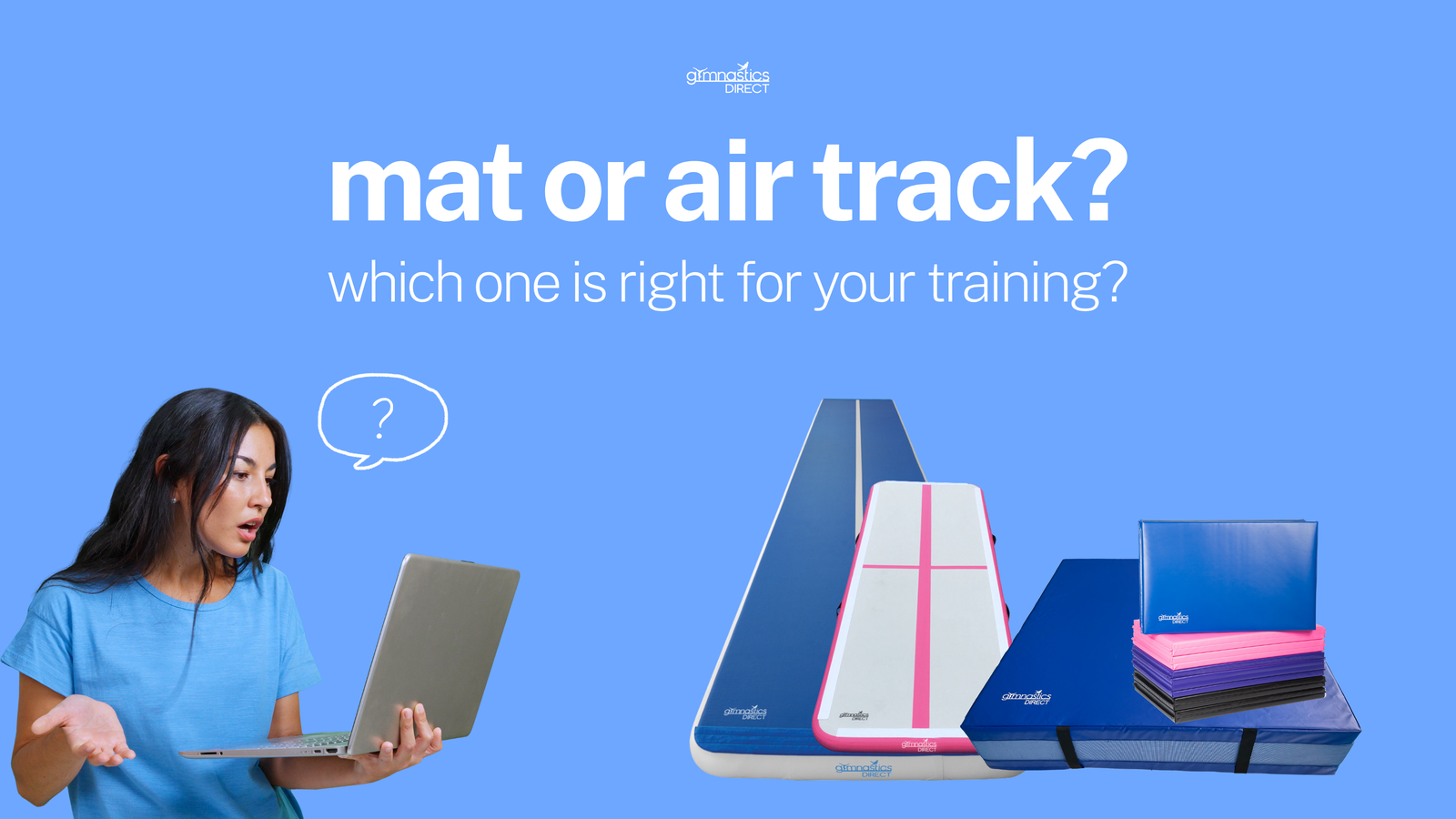

Gymnastics Mat vs Air Track: Which Is Best for Your Training?
Gymnastics mat or air track? Both offer different benefits depending on your skills, training goals and available space. Discover which option best suits your training and explore the Gymnastics Direct range.
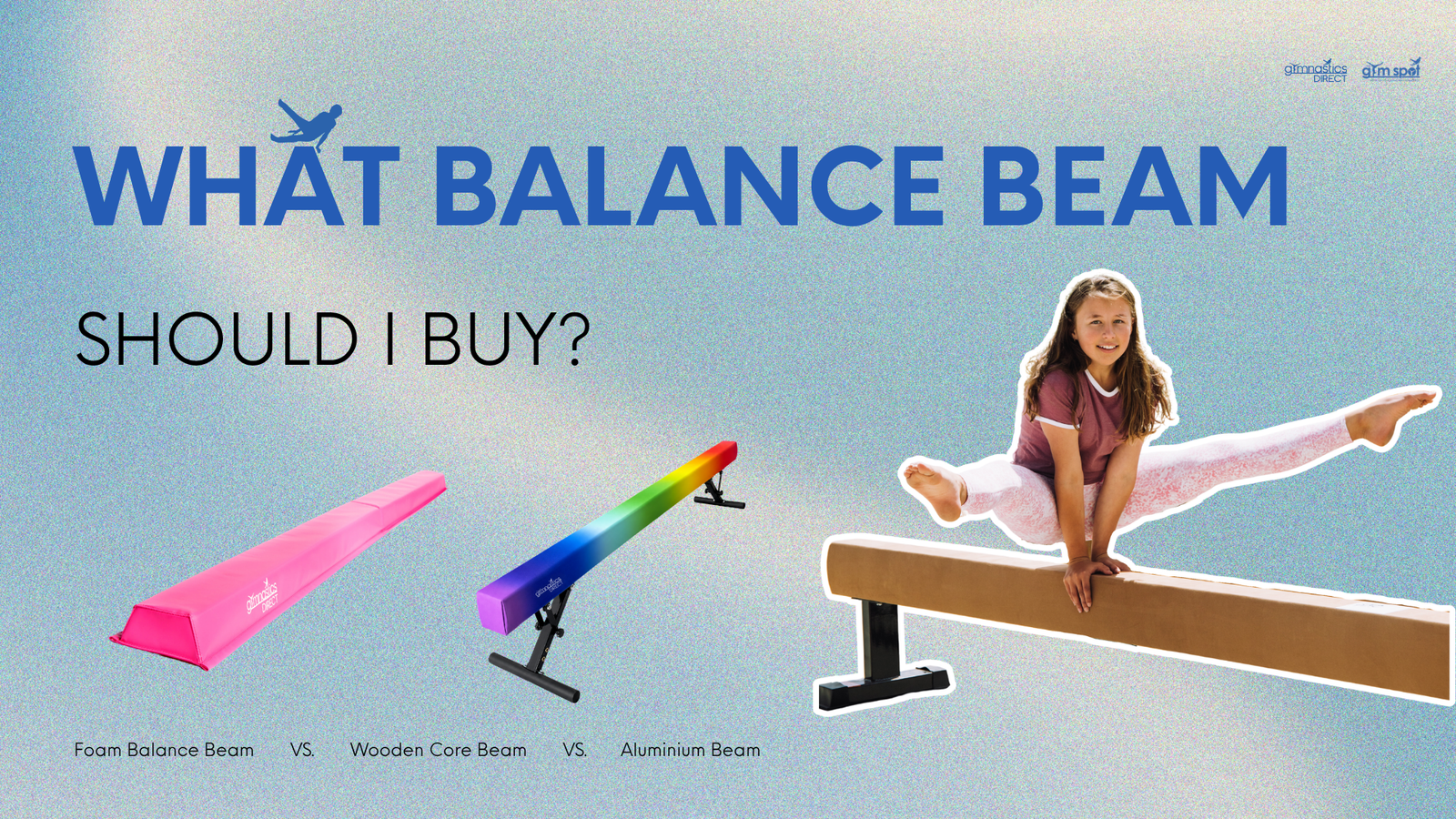

Best Gymnastics Balance Beam for Home (Australia): Which Beam Should You Buy?
Find the best gymnastics balance beam for home use in Australia. Compare beginner, adjustable and elite beams by age, skill level and budget.

School Holiday Programs - July 2026
Take a look at the July School Holiday programs running at clubs and studios across Australia.