




Why Your Cartwheel Is Crooked and How to Fix It
A cartwheel might look simple, but it is one of those skills that quickly shows every little weakness in technique.
If your cartwheel keeps drifting sideways, landing off line, bending through the middle, or finishing in a strange direction, you are not alone. A crooked cartwheel is one of the most common issues beginner gymnasts run into, and the good news is that it is usually very fixable.
Most of the time, the problem is not that your child “can’t do” a cartwheel. It is that one or two small pieces of the skill are out of place.
In this guide, we will look at the most common reasons a cartwheel becomes crooked, how to spot what is going wrong, and the drills that can help straighten it out.
What a straight cartwheel should look like
A well-shaped cartwheel should travel in one clear line from start to finish.
That means:
- the gymnast starts in a lunge
- places the hands one after the other in line
- passes through an inverted straddle position
- lands one foot at a time on the same line
- finishes facing the opposite direction with control
Gymnastics Direct’s earlier cartwheel guidance describes the pattern clearly as “hand down, hand down, foot down, foot down,” beginning from a lunge and moving through a straddle handstand shape.
If the hands, hips, shoulders, or feet move away from that line, the cartwheel usually starts to look crooked.
The most common reasons your cartwheel is crooked
1. Your hands are not going down in a straight line
This is one of the biggest causes of a crooked cartwheel.
If the hands land too wide, too close together, or angled in different directions, the body has no clear path to follow. The hips then twist, the legs swing around unevenly, and the landing goes off track.
What it looks like
- the cartwheel curves sideways
- the gymnast lands almost facing forward instead of finishing cleanly
- the legs swing around rather than passing over the top
How to fix it
Practice placing the hands on a straight line. You can use:
- a line on an air track
- a strip of tape on the floor
- the edge seam of a folding mat
A marked line gives the gymnast a visual target and helps train straighter hand placement. Gymnastics Direct’s folding mats can also be joined together and are intended for tumbling and skill progression, which makes them useful for line-based home drills.
2. The lunge is weak or misaligned
A lot of crooked cartwheels actually begin before the hands even touch the ground.
If the gymnast starts with a narrow lunge, twisted shoulders, or uncertain lead leg, the whole skill loses direction. Gymnastics Direct’s existing cartwheel article also starts with identifying the dominant foot and using a proper lunge to set up the movement.
What it looks like
- stepping into the cartwheel awkwardly
- wobbling before takeoff
- turning the body before the hands reach the floor
How to fix it
Go back to the starting position and rehearse it on its own.
Check that:
- the dominant foot is in front
- the arms are by the ears
- the hips and shoulders face sideways
- the front knee is bent
- the back leg is long and active
A strong start usually creates a straighter finish.
3. The gymnast is not passing through an inverted shape
Many crooked cartwheels happen because the gymnast is going around the side instead of over the top.
This usually means they are not confident being upside down yet, or they are rushing through the middle of the skill. Gymnastics Direct’s earlier tips specifically call out getting comfortable inverted and practising handstands to build balance, strength, and upside-down confidence.
What it looks like
- bent arms
- hips staying low
- legs swinging around instead of lifting overhead
- the skill looking more like a side step than a cartwheel
How to fix it
Build comfort with inversion first.
Helpful drills include:
- donkey kicks
- handstand step-ins
- side lever holds
- cartwheel-to-handstand progressions against a line
The more confidently a gymnast can move through an inverted position, the straighter the cartwheel usually becomes.
4. The legs are separating unevenly
A cartwheel should have a long, open straddle shape through the middle. If one leg stays low, bends, or trails behind, the skill often twists.
What it looks like
- one leg “leads” the whole skill
- the body tips sideways
- the gymnast lands heavily on one foot and then stumbles
How to fix it
Focus on leg shape.
Use cues like:
- “kick one leg up, then chase it with the other”
- “show a big split in the air”
- “keep both legs long and pointed”
Slow-motion drills on a soft mat can help gymnasts feel whether both legs are actually lifting evenly.
5. The shoulders are turning too early
Another common issue is opening the chest or turning the shoulders before the cartwheel is finished.
When this happens, the gymnast “bails out” of the skill halfway through and lands crooked.
What it looks like
- the chest opens before the second foot lands
- the gymnast turns early to look where they are going
- the finish position is twisted
How to fix it
Encourage the gymnast to keep looking at the hands as they pass through the skill, then finish tall only after both feet have landed.
This helps the body stay patient through the middle rather than rushing out of the cartwheel too soon.
6. There is not enough push through the shoulders
A collapsed upper body often makes the cartwheel look messy and curved.
If the shoulders sink, the hands may place correctly but the body still travels badly.
What it looks like
- bent elbows
- heavy weight through the hands
- the head dropping too low
- low hips in the middle of the cartwheel
How to fix it
Build shoulder strength and shape with:
- handstand holds
- side lever drills
- bear walks
- elevated hand support drills
Gymnastics Direct’s earlier cartwheel content also highlights strength-building and side lever practice as foundational pieces for better cartwheels.
7. The gymnast is practising on the wrong surface
Technique matters most, but surface matters too.
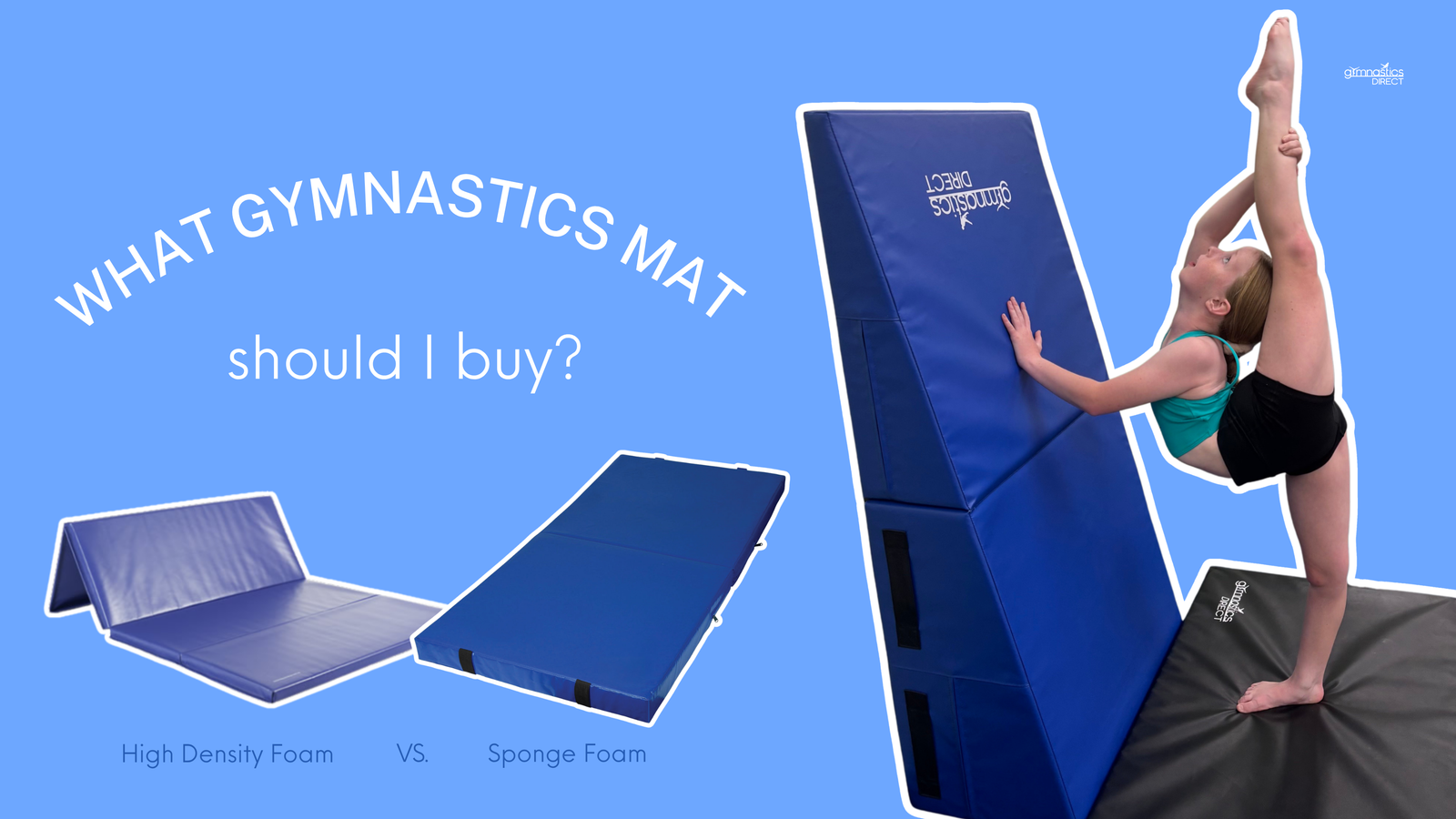
For home practice, a surface that is too slippery, too hard, or too unstable can make cartwheel correction harder. Gymnastics Direct recommends a gymnastics mat as the foundation of an at-home setup and notes that folding mats work for rolls, cartwheels, and handstands, while incline mats can help with backward movements and confidence-building. It also positions air tracks as useful for families with more space and budget, with adjustable pressure that changes as skills improve.
What can help
- a folding floor mat for basic cartwheel drills
- an air track for line work and repeated practice
- an incline mat for confidence and progression drills
A consistent practice surface makes it much easier to repeat the same shape correctly.
How to diagnose what is actually going wrong
Before trying to fix everything at once, watch for where the skill breaks down first.
Ask:
- Do the hands go down straight?
- Does the gymnast start from a proper lunge?
- Do the hips rise above the shoulders?
- Are both legs long and active?
- Does the gymnast finish before turning the chest?
Usually, one correction gives you the biggest improvement.
If you fix three things at once, the gymnast often gets overwhelmed. If you fix the main issue first, the rest often improves more naturally.
Best drills to straighten a crooked cartwheel
1. Line cartwheels
Place a straight line on the floor using tape, a seam, or a line on an air track.
Have the gymnast:
- start with front foot on the line
- place both hands on the line
- land both feet along the line
This drill builds direction and awareness.
2. Side lever holds
This is a great drill for learning how the weight transfers from feet to hands.
Gymnastics Direct’s existing cartwheel tips already point to side lever practice as a key step in building a better cartwheel.
Focus on:
- strong shoulders
- sideways body position
- pushing tall through the hands
3. Cartwheel hand placements
Have the gymnast stand in a lunge and repeatedly place the hands down in the correct order without doing the full skill.
This sounds simple, but it helps fix one of the biggest causes of crooked cartwheels.
4. Donkey kicks to straddle
This helps gymnasts feel the lift through the hips and the split-leg action needed in the middle of the cartwheel.
5. Incline cartwheel progressions
For gymnasts who are nervous or inconsistent, an incline mat can be useful for confidence-building and movement control. Gymnastics Direct describes its folding incline wedge mat as suitable for tumbling, forward rolls, walkovers, and handsprings, with high-density foam and a folding design for home use.
A gentle incline can slow the movement down enough for the gymnast to feel the skill more clearly.
6. Handstand step-through drills
This helps bridge the gap between “getting upside down” and actually passing through a straight cartwheel shape.
It is especially useful for gymnasts whose cartwheel goes around instead of over.
A simple correction plan for home practice
If your child’s cartwheel is crooked, this is a good order to work in:
Step 1
Fix the start:
- dominant foot in front
- proper lunge
- arms by ears
Step 2
Fix the line:
- hands go down on one straight line
- use tape, seams, or an air track guide
Step 3
Fix the middle:
- push tall through the shoulders
- get the hips up
- show a straddle shape
Step 4
Fix the finish:
- land one foot, then the other
- finish tall
- do not turn early
This keeps the correction process simple and manageable.
What not to do
When trying to fix a crooked cartwheel, avoid:
- doing endless full cartwheels without feedback
- correcting too many things at once
- practising on slippery or unsuitable surfaces
- rushing into harder skills before the cartwheel is clean
- assuming more speed will solve the problem
A straighter cartwheel usually comes from better shapes, not more force.
When a crooked cartwheel is normal
At beginner level, some crookedness is completely normal.
Cartwheels ask for:
- coordination
- timing
- shoulder strength
- inversion confidence
- left-right body awareness
That is a lot for one skill.
The key is not expecting perfection immediately. Instead, look for gradual improvement:
- straighter hand placement
- better direction
- stronger middle shape
- more controlled landing
Final thoughts
If your cartwheel is crooked, it usually means one of three things is happening:
- the line is off
- the body shape is off
- the timing is off
The good news is that all three can be improved with the right drills and enough quality repetition.
For most beginners, the fastest improvements come from:
- a stronger lunge
- straighter hand placement
- more confidence being upside down
- practising on a safe, supportive surface
Start with the biggest technical mistake, fix that first, and build from there.
A straight cartwheel is rarely about talent. It is usually about alignment, patience, and practice.
Leave a comment
Also in Tips and Tricks


How to Choose an Air Track: A Guide for Home and Club Training
Whether you are choosing an air track for home practice, a gymnastics club, a school or a studio, this guide explains the main factors to consider before purchasing.

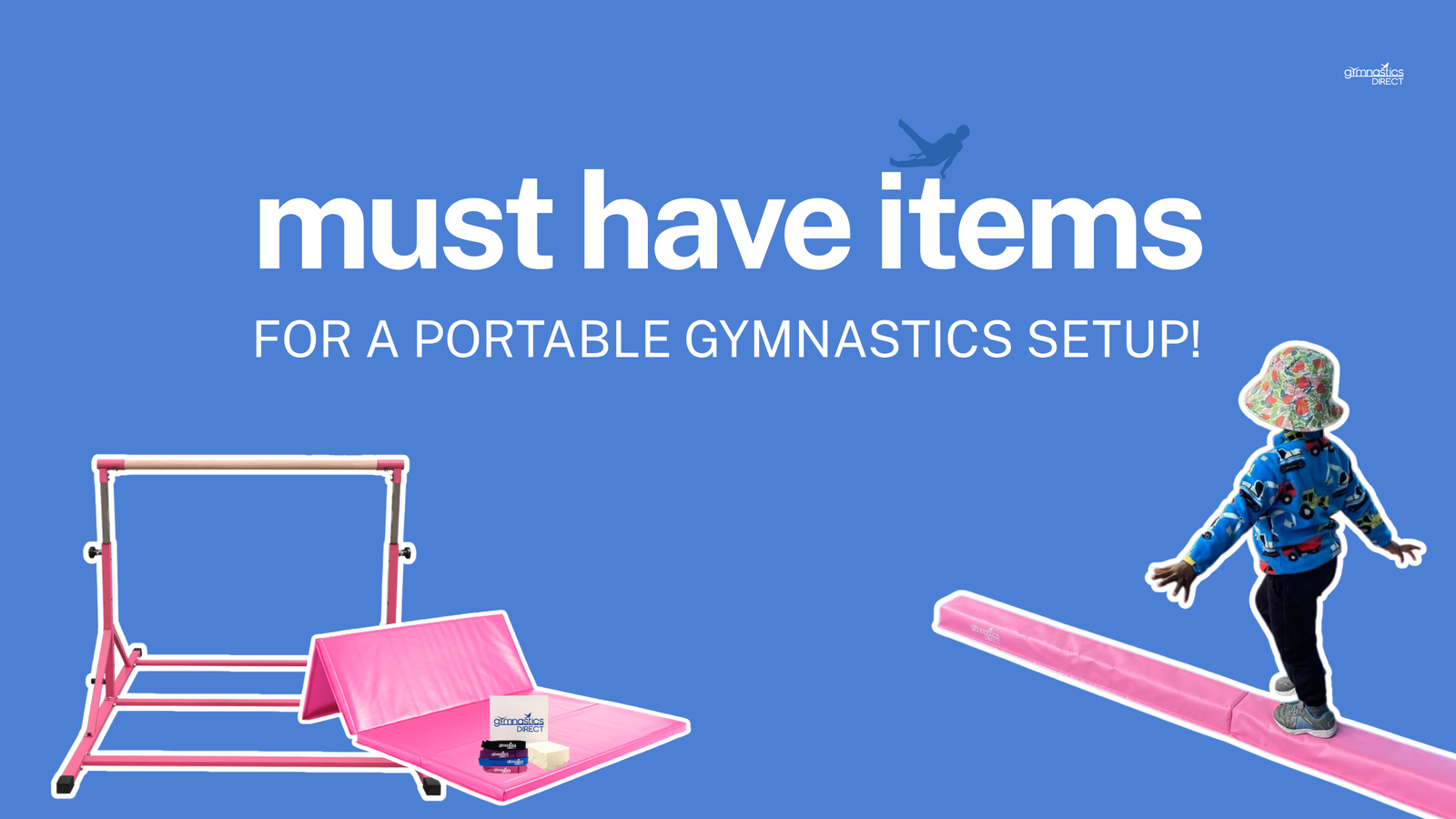

Top 5 Must-Have Items for a Portable Gymnastics Setup
Setting up a space for gymnastics practice at home is easier than most people expect, and you don't need a full gym to do it safely or effectively. Here's our guide to the five must-have items for a portable setup